How the Google August 2025 Spam Update Affects Your Website

Introduction: Understanding the Impact of the August 2025 Spam Update
If you've noticed a sudden drop in your website's organic traffic or rankings since late August 2025, you're not alone. The Google August 2025 Spam Update has sent shockwaves through the SEO community, as many web content owners and online marketers are frantically seeking to know what has happened to their well-built internet presence.
The uncertainty surrounding SEO impact and algorithm changes is understandable. When your livelihood depends on organic search visibility, any disruption feels like a potential crisis. However, understanding whether you have fallen victim or not and, above all, what can be done to come out of the situation, will enable you to sail these turbulent waters with a lot of confidence.
This comprehensive guide will provide clarity on the Google August 2025 Spam Update, offer actionable recovery strategies, and help you build a more resilient SEO foundation for the future.
What Is the Google August 2025 Spam Update?
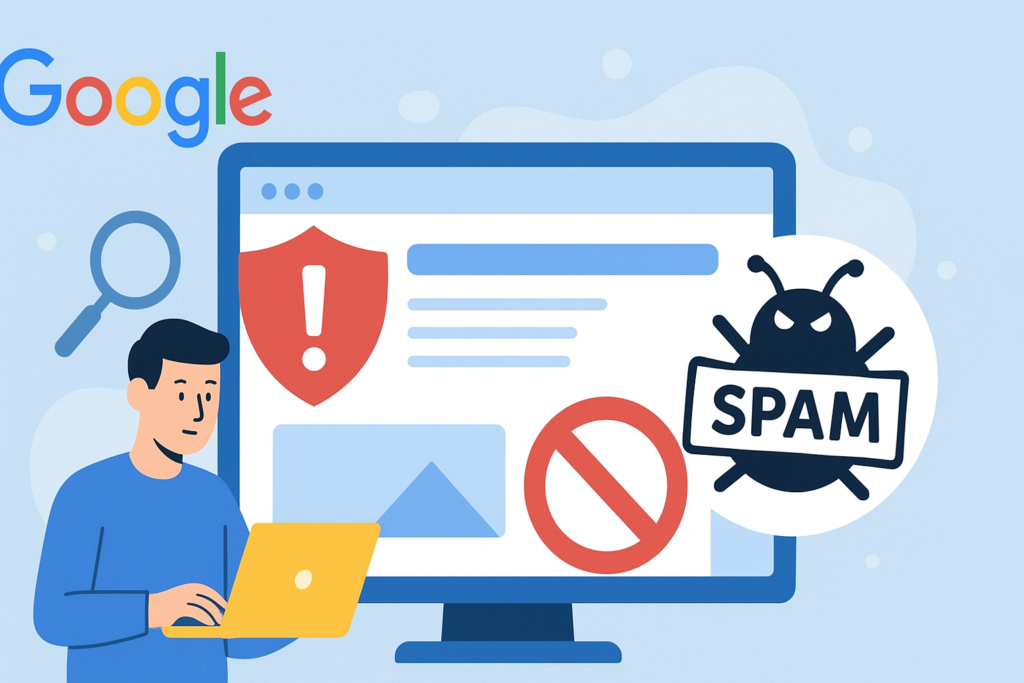
The Google August 2025 Spam Update began rolling out from August 26, 2025, at 12:00 PM ET and concluded on September 22, 2025, after a total of 27 days. This is a whole 20 days longer than the rollout of the December 2024 Spam Update, which concluded in a mere 7 days. This is also notable as it is the first spam update of 2025 and the first change since the June 2025 Core Update. This update is a ‘normal’ spam update according to Google, powered by SpamBrain, their AI-based spam detection tool, and not a change to their core algorithm. The most notable aspect of this update is that it does not affect ‘link-related spam’ or ‘violations of website reputation.’ The update targets ‘content level spam’ such as ‘keyword stuffing,’ ‘scraped content,’ ‘auto-generated content without human value,’ and ‘affiliate content.’
A notable point to keep in mind is that Google removed the ‘search parameter ‘num=100’ during the rollout of the update. This resulted in a notable decline in impressions in Search Console, which are not related to a real decline in ranking but are a result of the removal of the parameter. This is something to keep in mind if you saw a decline in impressions around September 10. If impressions are down, but clicks remain stable, then it is not a result of the spam update.
The primary spam signals targeted by this algorithm update include unnatural link-building patterns, particularly those involving link farms and paid link schemes that violate Google's guidelines. Another key area of focus is content scraping and republishing, where websites steal and publish content from other sources without adding value to them. The behavior of keyword stuffing, where target keywords are artificially inserted into the content unnaturally, is still severely punished.
Websites most at risk include those with extensive link-building campaigns using low-quality directories, those engaged in reciprocal linking schemes, sites with substantial duplicate or scraped content, and platforms allowing unchecked user-generated spam content. There is also greater scrutiny of e-commerce websites with meager product descriptions, affiliate websites with low original content and websites that rely on an automated content generation tool.
This August 2025 spam update serves as another reminder that Google is constantly refining its fight against deliberate search manipulation, emphasizing the importance of sustainable, white-hat SEO practices.
What the August 2025 Update Actually Targeted – And What It Did Not
Google has emphasized again that this update is not intended to deal with link schemes and abusing reputation; those are addressed in other updates. What this update aims to deal with is content spam issues, such as smarter content spam detection using SpamBrain, which includes AI-generated content without actual content value, keyword stuffing, content scraping and rewriting, affiliate content without actual content, and cloaking/hiding text. This has been identified as a “penalty-only update,” which means sites have been penalized rather than being shuffled around in terms of rankings.
In this update, there are no winners; sites can only advance in terms of rankings based on not being penalized for violating the rules. However, there are reports of sites that have already been penalized in prior spam updates (including December 2024) showing signs of improvement during this update, which suggests that SpamBrain is becoming more effective at distinguishing between actual violations and over-corrections.
In terms of network sites analyzed after this update by Raptive, sites with high Domain Authority (40+) and strong branded search signals were found to be those that had the highest protection across about 95% of their publisher network.
How to Check if Your Website Has Been Affected
Identifying whether your website has been impacted by the Google August 2025 Spam Update requires systematic analysis of several key performance indicators and diagnostic tools. The most noticeable ones would be the massive drops in organic traffic starting on or around August 26, 2025, and especially, should the decline be sudden and not gradual.
Begin by analyzing your Google Analytics records on the traffic pattern. Identify drastic drops in the organic search traffic that relate to the rollout dates of the update.
Before jumping to conclusions that your site was actually hit with a penalty, try to distinguish between the two types of drops that occurred at roughly the same time. First of all, let’s look at the impression drops in the search console that occurred around September 10.
These were largely caused by Google disabling the “num=100” parameter, which affected how SEO tools and the search console processed impressions. In this case, clicks were stable, but impressions were low. This is not caused by a penalty; it is more of a processing issue.
Another type of drop is actual ranking losses. These look like reduced organic clicks and actual traffic in Google Analytics and occurred either on August 26 or September 9. After the update, it was determined that websites with a Domain Authority of 40 or more and strong search performance for brands were actually protected. On the other hand, websites with ad-to-content ratios of more than 25% were hit hardest.
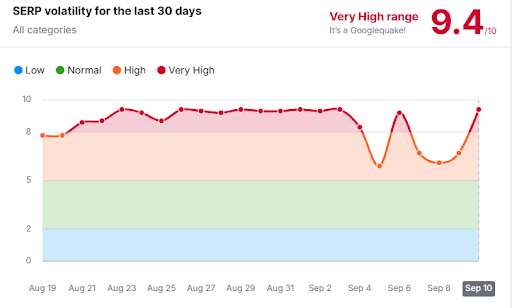
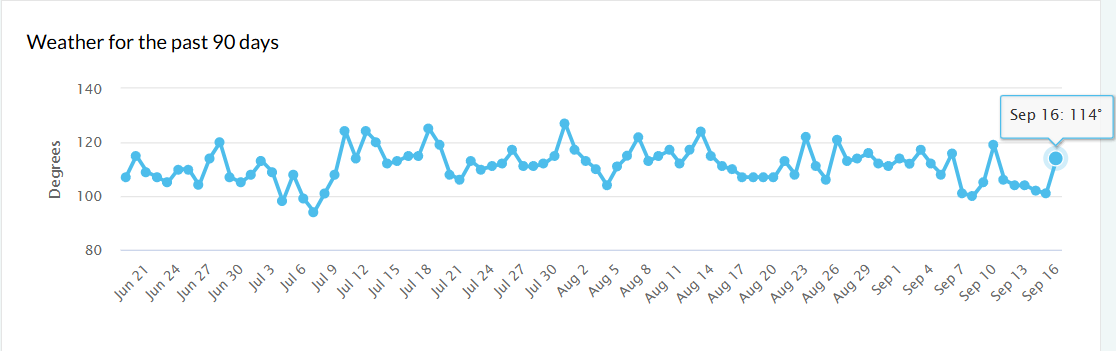
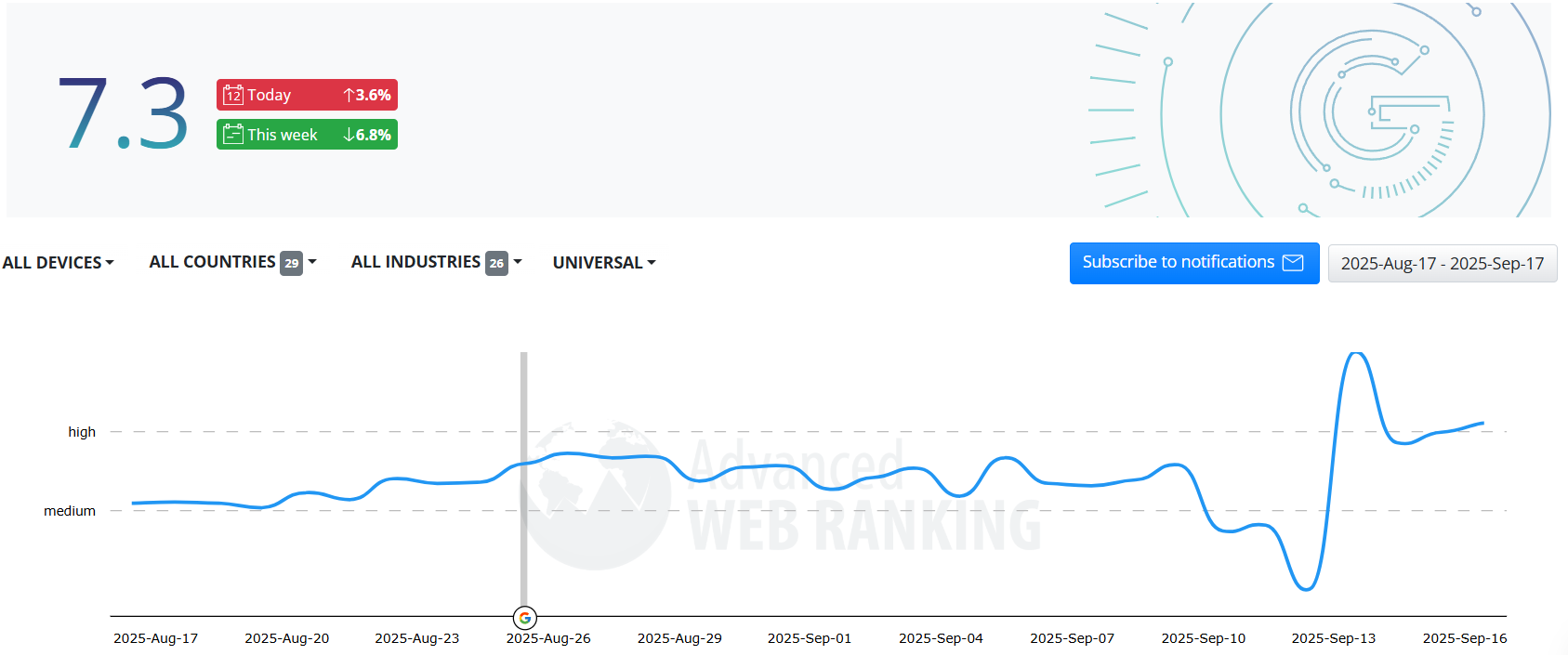
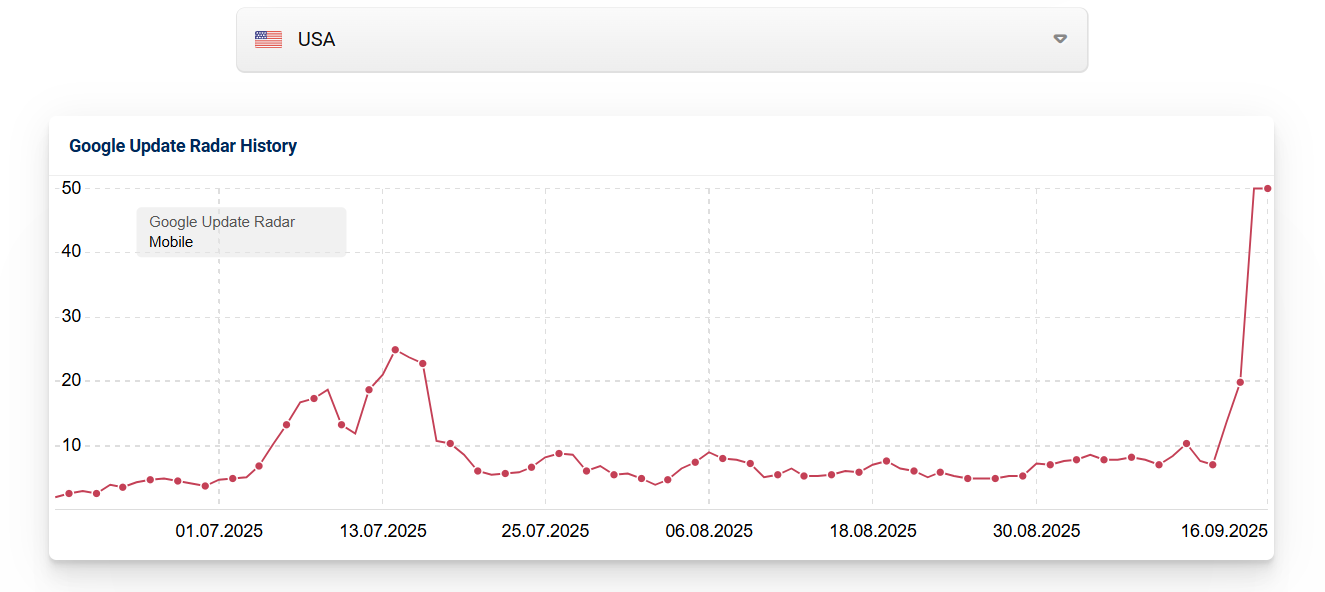
The peak volatility and heated activities have been witnessed in the third-party SEO audit tools and tracking platforms during this spam update period. Tools like SEMrush, Ahrefs, and Moz can help you monitor ranking changes across broader keyword sets and compare your performance against competitors in your niche.
Common Spam Issues Triggered by the Update
The Google August 2025 Spam Update specifically targets several categories of manipulative practices that have become increasingly sophisticated in recent years. Understanding these spam triggers can be used to determine possible problems within your own site as well as assist in recovery.
-
Unnatural backlinks represent the most significant category of violations.
-
Content-related spam issues encompass several problematic practices. Algorithm penalties are caused by pages with thin content and minimum value, including doorway pages that are aimed at a given keyword, but do not offer any significant information.
-
Content scraping, where text is copied from other websites with minimal or no modification, violates Google's originality standards. Content produced by AI tools without human interference is not as good and relevant as Google anticipates.
-
Technical spamming activities include cloaking, whereby the search engines display other content when users view them, and fraudulent redirects, where the visitors are redirected to irrelevant pages. Hidden text or links designed to manipulate rankings.
-
User-generated spam poses challenges for forums, comment sections, and review platforms. Uncontrolled spam posts, spam reviews and postings by robots may provoke algorithmic penalties unless they are ensured to be controlled.
-
Black hat SEO techniques like keyword stuffing, where content unnaturally incorporates target keywords beyond reasonable frequency, continue generating penalties.
-
Affiliate sites are under special scrutiny, where they offer very little original content other than product listings and affiliate links, when there are many such sites that have the same content structure or even a very similar one.
Steps to Recover and Prevent Further Damage
Recovering from the Google August 2025 Spam Update requires a systematic approach. Success depends on cleaning up problematic aspects effectively and, at the same time, enhancing the overall content and user experience.
-
Begin your recovery process with an in-depth backlink analysis using one of the tools, such as Google Search Console, Ahrefs, or SEMrush, in order to find potentially harmful links.
-
Contact webmasters directly to remove the bad links and submit a disavow file later. Document your outreach efforts, as Google may review these attempts during reconsideration.
-
Another important recovery element is content optimization. Review your current pages for thin, duplicate, or overloaded with keywords.
-
Increase user experience and engagement rates by increasing the speed to load a page, mobile responsiveness, and navigation through the site. If ranking losses persist after you address content and link-quality issues, a technical SEO audit can uncover crawl, indexation, site-speed, and implementation problems that may be limiting recovery.
-
Implement regular audit schedules to ensure that the guidelines of Google are up to date.
-
Stay updated with Google's official communications through Search Central documentation, and industry publications can be used to be aware of new best practices and policy modifications.
-
If ranking losses persist after you address content and link-quality issues, a technical SEO audit can uncover crawl, indexation, site-speed, and implementation problems that may be limiting recovery.
Tracking Tools
-
Semrush
-
MozCast
-
Advanced Web Rankings
-
Sistrix
How This Update Fits into Google's Larger Vision for Search Quality
The August 2025 Spam Update is an extension of a long-term multi-year initiative by Google to focus on user-first content and fight the problem of manipulative SEO techniques to degrade search result quality. The change is consistent with the overall goal of Google to develop a search experience that rewards the websites that actually cater to the needs of the users instead of cheating the algorithmic systems.
The search intent orientation of Google is based on matching the content with the query that specifically answers the query and presents detailed and authoritative information. This user-first approach reflects Google's understanding that long-term search engine success depends on user satisfaction and trust.
The spam cracking down has many roles other than direct quality enhancement. It provides clean standards of acceptable search engine practices, and digital marketers focus on long-term approaches instead of short-term manipulation ones.
By doing so in accordance with the advice of Google, it develops a long-term trust and credibility with Google and the searchers. Ethical SEO websites see their rankings become more stable, they have fewer risks of algorithmic penalties, and they have better user engagement metrics.
The vision of Google goes beyond mere spam detection to learning the context of content, the purpose of the user and genuine knowledge. Further developments in the future are likely to proceed with the focus on these aspects, rewarding websites that show the authentic authority and value to the user and punishing those that focus on search management, but not on user experience.
FAQs
Q1. Can this update completely remove my site from search results?
While complete deindexing is possible for severe spam violations, most websites affected by the August 2025 update experience ranking drops rather than total removal. Google typically reserves complete deindexing for websites engaged in egregious spam practices or those receiving manual actions for policy violations.
Q2. How long will it take to recover from the spam penalty?
Recovery timelines vary significantly based on the severity of violations and the comprehensiveness of your remediation efforts. Minor issues might see improvement within 2-4 weeks after implementing fixes, while more serious problems could require 3-6 months or longer.
Q3. Should I hire an SEO expert to help with recovery?
For businesses experiencing significant traffic losses or those unfamiliar with technical SEO requirements, professional assistance can accelerate recovery and prevent future penalties. Experienced SEO professionals understand Google's guidelines, possess specialized tools for link analysis and content auditing, and can implement comprehensive recovery strategies efficiently.
Q4. Is paid link-building safe after this update?
Paid link-building remains risky and violates Google's guidelines regardless of recent updates. The August 2025 update specifically targets unnatural link patterns, making paid links even more dangerous.
Q5. Will this update affect local businesses differently from national websites?
Local businesses aren't specifically exempt from spam updates, but they may experience different impacts based on their SEO practices. Local directories, citation building, and geographic-specific content face the same quality standards as national websites.
Q6. When exactly did the August 2025 spam update start and finish rolling out?
The Google August 2025 Spam Update began on August 26, 2025 at 12:00 PM ET and completed on September 22, 2025 at approximately 2:00 AM ET, a 27-day rollout confirmed by Google's Search Status Dashboard. Initial impact was fast, with affected sites seeing changes within 24 hours of launch. A second wave of volatility occurred around September 9, affecting sites not impacted in the first phase. This made the August 2025 update 20 days longer than the December 2024 spam update, which completed in seven days, and was the first spam update of 2025 following the June 2025 Core Update.
Q7. Can a site that was penalised by a previous spam update recover during a new spam update rollout?
Yes, and it’s clearly outlined in relation to the rollout in August 2025. Both Search Engine Land and Priority Pixels observed that websites that had previously been impacted by previous spam updates were seeing considerable recoveries in that rollout. This would indicate that SpamBrain’s technology is not only more aggressively enforcing its rules but is also actively working to undo past overenforcement. This is in line with Google’s recommendations: “If websites have actually improved to comply with our spam policies, its algorithmic systems will over time reassess the impacted pages.”
Q8. Did the August 2025 spam update target backlinks and link schemes?
No. Google explicitly confirmed the August 2025 spam update does not address link-related violations or site reputation abuse. Those are handled through separate, dedicated link spam updates. The August 2025 update targets content-level spam exclusively: keyword stuffing, scraped or republished content, auto-generated text without human editorial value, thin affiliate pages, cloaking, and hidden text. If your site saw ranking drops during the rollout period and your content practices are clean, check whether the apparent loss in Search Console impressions was caused by Google simultaneously removing the num=100 search parameter.
Conclusion: Staying Resilient and Proactive
Although the Google August 2025 Spam Update was a blow to most websites, it is an opportunity to establish a more robust and sustainable online profile. Instead of taking this as a blow, use it as a stimulus to effect more effective SEO measures that will help your business in the long term.
The constant updating of Google algorithms indicates that the company aims to provide the user with the optimal experience. Although the volatility and uncertainty may be irritating, keep in mind that such updates end up leading to an opportunity for those businesses that are properly aimed at delivering value to their audiences. Those websites that adapt better to algorithmic changes are always those that cater to the interests of the users rather than those that focus on search manipulation.
In case you are having problems restoring spam or you want to make sure your site will not suffer penalties, you may want to collaborate with the professionals who are knowledgeable about the changing needs of Google. At Vicious Marketing, we specialize in helping businesses navigate complex SEO challenges and build resilient digital marketing strategies that withstand algorithmic changes.
Remember, every Google update creates winners and losers. By committing to ethical SEO practices and user-focused content strategies, you position your website among the winners in future algorithmic changes.